
Emotional well-being
- Anxiety
- Depression
- Adjustment disorders
Individual counseling for children and teens ages 7–18 in Danville, NH. We combine supportive relationships, conversation, and purposeful experiences to help young people work toward their goals.
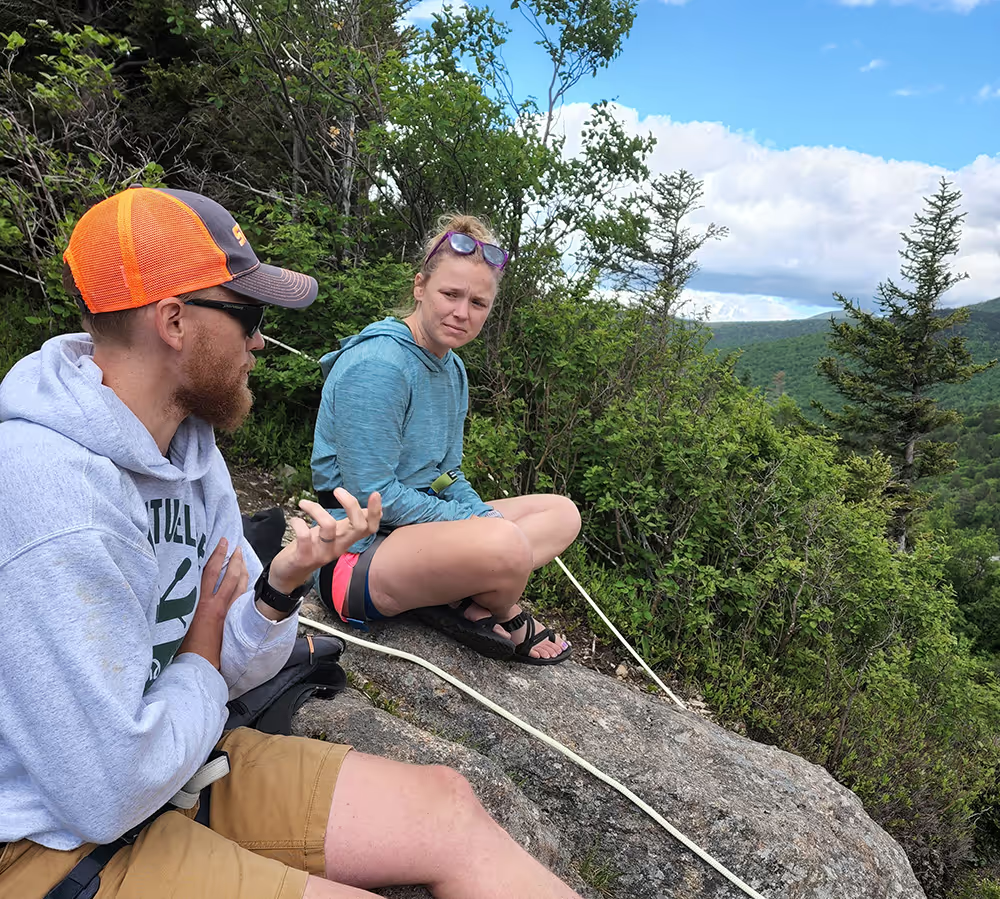
One-to-one support · Ages 7–18
We start by helping your child feel comfortable, understood, and supported. Our counseling is strengths-based: we build on their interests and abilities while working toward what they hope will change.
Conversation, activities, and adventure give us different ways to connect and practice skills, with the pace and support shaped around each young person. Children and teens often tell us they enjoy coming here. We make room for that enjoyment alongside honest conversations and meaningful work.
Learn how our approach works ↓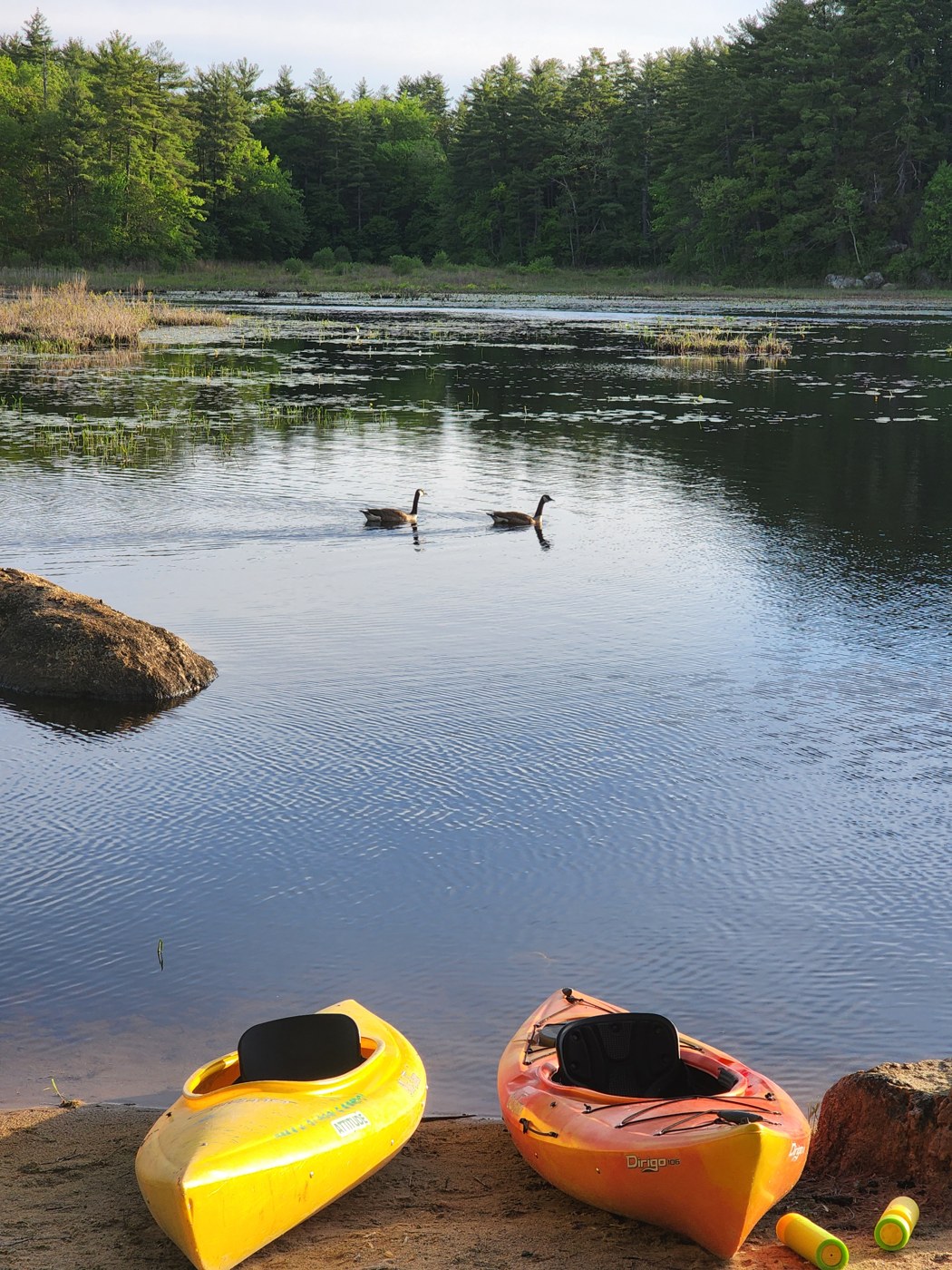
A closer look
Explore the questions below for a closer look at how we work.
Activities and adventure can serve different purposes in counseling. We choose an experience—and how we use it—around each client’s needs, comfort, and goals.
Build a relationship. A shared game, walk, or adventure can give us a comfortable way to connect, get to know one another, and build trust.
Work on a therapeutic goal. A clinician may use a purposeful activity or challenge as an intervention, creating opportunities to notice patterns, try new responses, and reflect on what happened.
Practice self-regulation. A walk with a clinician might offer a chance to notice tension, pay attention to breathing, adjust the pace, and explore what helps the client feel more settled and ready to engage.
These purposes often overlap. We can adjust how we use an activity as the client’s needs change during a session.
We draw on positive psychology to help clients recognize their strengths, notice what is going well, and explore what matters to them. Encouragement is specific: noticing a useful choice, an effort to communicate, or a small step toward a personal goal.
We use growth mindset principles to help young people develop confidence in their ability to learn and grow. Together, we explore how skills can develop through practice, helpful strategies, and support. A difficult moment becomes an opportunity to ask, “What can I learn? What could I try differently? What help do I need?” We choose challenges that fit each client’s abilities and readiness, helping them recognize progress and find their own path forward.
Our clinicians can use cognitive behavioral therapy (CBT) strategies to explore connections among thoughts, feelings, and actions. Conversation provides space to understand an experience; an activity can offer a chance to practice a different response. Some sessions are more active, while others focus on talking.
Here is one way an experience can become therapeutic work. Trust and collaboration continue throughout; each activity does not need to follow the whole sequence.
Get to know one another, recognize strengths, and choose goals together.
Choose a manageable next step, with support and a pace that fits.
Notice thoughts and feelings, ask for help, or try a different response.
Recognize effort and useful strategies, learn from setbacks, and consider what to try next.
Choose a practical way to use the skill at home, at school, or with other people.
We help young people choose a specific situation in which to practice a skill, such as asking for help with homework or speaking up with a friend. Parents and guardians can share perspective and support that practice when appropriate. We revisit what happened, recognize progress and setbacks, and adjust the plan together.
Meet our team and see how conversation and activity come together at Adventurelore. Our introduction video is coming soon.
Get a closer look at our people, our setting, and our approach.
We provide individual counseling for children and teens ages 7–18. We commonly work with young people with the following diagnoses or challenges, starting with their strengths, needs, and goals.
Research-informed care
Adventure-based therapy has an encouraging research foundation, including studies in community mental health settings. Programs differ, and the strength of the evidence varies.
A study of youth counseling found greater clinician-rated improvement when care included an adventure component.
Read the study summaryYouth psychotherapy research links a collaborative therapeutic relationship with better outcomes.
Read the study summaryCBT has evidence for treating childhood anxiety.
Read the study summaryThese studies examine approaches used in the field, not Adventurelore’s own outcomes. They do not establish that combining these elements guarantees a particular result.
Explore the studies and what they mean →Send a short inquiry using our contact form. We’ll follow up about availability and next steps.
We review age, goals, scheduling, clinician availability, and payment questions.
If we move forward, our team guides you through the appropriate clinical paperwork and next steps.
No particular outdoor skill or experience is needed to start a conversation. We discuss comfort level and needs, then consider whether the approach is a good fit.
Yes. Individual counseling is a clinical service. Purposeful activities and movement are part of how our clinicians engage participants and work on treatment goals.
Adventurelore is an out-of-network provider. We can provide a superbill—an itemized receipt for services—for you to submit to your insurance company for possible reimbursement. Before starting, check with your insurer to see whether you have out-of-network mental health benefits and what it requires for reimbursement. Coverage and reimbursement depend on your plan. Our office can confirm current fees.
EFA may be an option for qualifying counseling services. Ask our office about the service you are considering and the information needed to confirm an eligible purchase. Confirm the specific expense with the EFA program before using funds. The EFA guide linked below explains the program and connects you with official eligibility information.
We offer individual counseling for ages 7–18. Current openings start between 1:00 and 5:00 PM; the last session ends at 6:00 PM. Individual sessions are 60 minutes at $185. Ask our office about available days, clinician fit, and out-of-network documentation.
Our team brings backgrounds in mental health counseling, social work, education, and adventure-based learning. Meet members of the team and ask about the clinician whose approach and availability fit your needs.
A short call to your insurance company can help you understand possible reimbursement before starting counseling. Use the script and questions below.
Adventurelore is an out-of-network provider and does not bill insurance directly. Families pay Adventurelore and may request a superbill—an itemized receipt for services—to submit for possible reimbursement. Having a superbill does not guarantee coverage or payment.
Have your insurance card ready and call the member services or behavioral health number listed on it. Ask our office for your proposed clinician’s name, credentials and license status, the service and billing code, and the current session fee. The insurer may also need the clinician’s National Provider Identifier (NPI) and our practice information. Verify benefits for the person receiving counseling, not just the policyholder.
“I’m considering outpatient mental health counseling with an out-of-network provider. I would pay the provider directly and receive a superbill to submit for possible reimbursement. Can you help me understand my plan’s out-of-network mental health benefits and whether services with this specific clinician are eligible?”
Coverage: Does my plan cover out-of-network outpatient mental health counseling for the person who will receive services?
Deductible: What is my out-of-network deductible, how much has been met, and when does it reset? Is it separate from my in-network deductible? What portion of each claim counts toward it?
Reimbursement: Once any applicable deductible is met, what percentage does the plan pay, and what percentage am I responsible for?
Allowed amount: What dollar amount does the plan allow for the proposed service—for example, CPT code 90837 for 60-minute individual psychotherapy? Is reimbursement calculated from that allowed amount rather than the provider’s full fee? Can you estimate the reimbursement in dollars? Confirm the appropriate code with our office; intake visits and group counseling may use different codes.
Clinician eligibility: Does the treating clinician need to be independently licensed? Are sessions with a supervised master’s-level clinician who is not yet independently licensed eligible? What provider details or documentation do you need to verify this specific clinician? Do not assume that supervision alone makes a service reimbursable.
Approval and other requirements: Is prior authorization, a referral, or another approval required before counseling begins? Are there visit limits or medical-necessity review requirements? Are the requirements different for in-person and telehealth sessions?
Submitting a claim: Can I submit a superbill, or is a separate claim form required? What other documents or proof of payment do you need? Where should I submit the claim, what is the filing deadline, and how can I track its status?
A reimbursement percentage may apply to the insurer’s allowed amount, not our full session fee. Ask what you would actually receive and what would remain your responsibility, including any deductible and any difference between the allowed amount and the fee.
Write down the date, the representative’s name, the call reference number, and the answers. Ask for written benefit information or the relevant plan documents. An estimate or benefit verification is not a guarantee of payment; the insurer makes its determination when it reviews the claim under your plan.
Our office can help you gather provider and service information for the call. Your insurance company must confirm coverage and reimbursement. Please confirm current fees and your benefits before relying on reimbursement.
The program may help with qualifying services. Learn about EFA, or ask us what to confirm for your child’s counseling service.
These options may help some families. Each has limits, and none guarantees funding for Adventurelore counseling. Confirm the service, clinician, approved amount, and payment arrangements before relying on assistance.
UHCCF may help pay for individual mental health counseling that commercial insurance does not fully cover. Grants are awarded to children for approved services; funding for your child’s Adventurelore counseling is not guaranteed.
Who may qualify: Children age 16 or younger when applying, with a Social Security number and primary commercial health insurance (not necessarily UnitedHealthcare). Medicaid or CHIP may be secondary. Household adjusted gross income limits are $65,000 for 2 people, $100,000 for 3, $135,000 for 4, or $170,000 for 5 or more.
Service requirements: Counseling must be prescribed by an M.D. or D.O. and delivered by a licensed clinician. Sessions delivered by an unlicensed clinician under supervision do not qualify. Ask our office about licensed-clinician availability. Group, family, play and social-skills therapy, camp tuition and program fees are excluded.
Grant limits: Up to $5,000 per child in a 12-month period and $10,000 over a lifetime. Eligible costs may date back no more than 90 days before UHCCF deems the application complete. Follow the award’s approved services, amount and date range.
How payment works at Adventurelore: Families pay Adventurelore under our usual payment terms, then request reimbursement from UHCCF. We do not defer payment while awaiting a grant or reimbursement. Families submit their own applications and payment requests through UHCCF’s portal. Ask us for a detailed invoice or superbill and proof of payment; UHCCF also requires an insurance explanation of benefits (EOB), denial or other proof of non-coverage for each service date. A superbill alone is not sufficient.
Before relying on funding, confirm the proposed service and treating clinician with UHCCF and review your written award. Families remain responsible for costs not reimbursed. Review the full requirements and application documents below.
Check UHCCF eligibility & applyInformation reviewed October 1, 2026.
This option is for eligible Moore Center client families supporting someone with a developmental disability or acquired brain disorder who lives with family or lives independently with family support.
Ask your Moore Center case manager or service coordinator whether your specific Adventurelore counseling service and clinician could qualify. Adventurelore counseling has not been confirmed as a covered service. Other funding resources must be explored first.
Approved expenses may be reimbursed to the family after payment. Assistance depends on eligibility, available funds, approval, and reimbursement limits. Confirm approval and payment arrangements before relying on funding.
Read Moore Center eligibility and funding detailsWe are working on provider participation with TWLOHA. It is not yet confirmed for Adventurelore. Contact our office before applying for funding for services here. Any award also requires approval for the individual client and clinician.
The scholarship may help with part of the cost of individual counseling, especially for people who are uninsured or underinsured. Anyone may apply during an open application window; a parent or guardian must apply for a minor. This scholarship is for individual counseling, not group counseling.
Approved awards typically contribute $65–$100 per session for up to three months, subject to award limits and available funds. TWLOHA pays participating providers directly and does not reimburse families. Families remain responsible for costs the award does not cover. Awards are limited and competitive; applying does not guarantee funding.
Check TWLOHA application dates and detailsYou do not need to know exactly which service you need.
Looking for a group?
Shared adventures offer opportunities to practice skills and build peer connections.